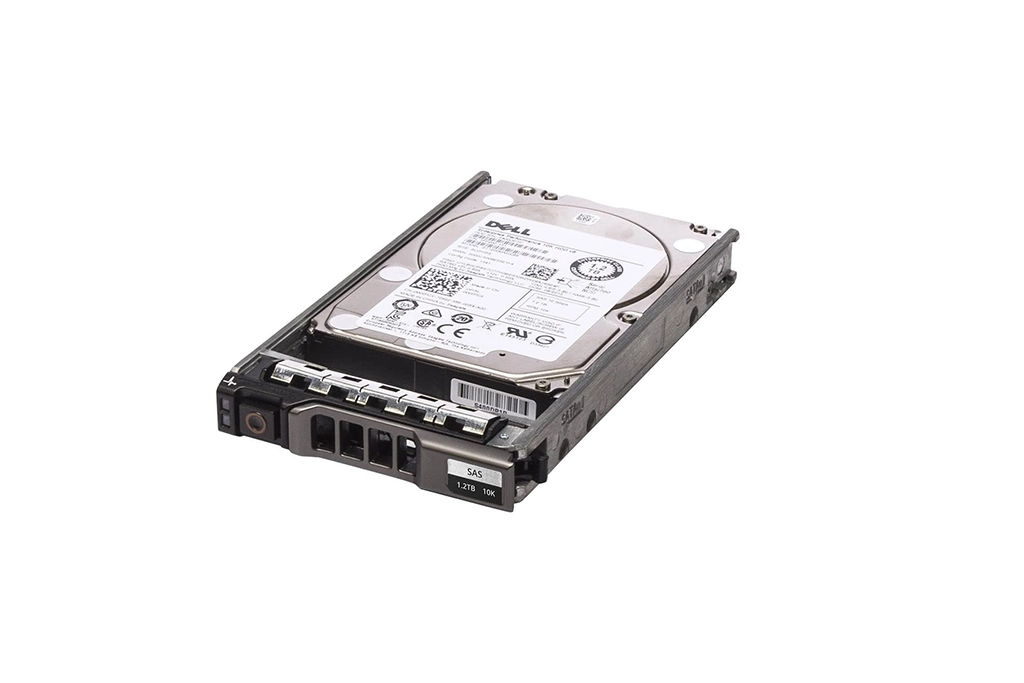





Can Data be Recovered Dell Hard Drive?
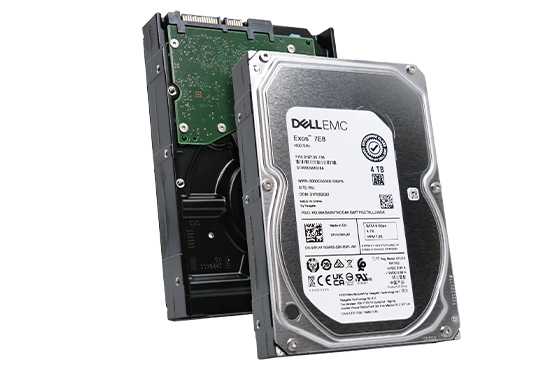
Yes, it is possible to recover data from a Dell Hard Drive. Suppose you’ve lost crucial data due to accidental deletion, hard drive failure, or any other data loss scenario. In that case, our experienced team is equipped with advanced tools to recover your valuable information efficiently. Data recovery is a meticulous process that demands a high level of precision and technical knowledge.
Our specialists employ a systematic approach, beginning with a comprehensive analysis of the hard drive to diagnose the cause of data loss.
This step is crucial for determining the most effective recovery strategy tailored to your specific situation. We use advanced tools and methods to maximize recovery chances, handling each case with sensitivity and confidentiality.
Our UK-based team stands ready to assist you with your data recovery needs. Our prompt and professional customer support services for data loss issues are backed by local expertise, ensuring high customer satisfaction. Trust our specialists to provide you with personalized attention, guiding you through every step of the data recovery process, from initial consultation to the successful restoration of your data.
Common Causes of Data Loss on Dell Hard Drives
There are various reasons why data may become inaccessible on a Dell Hard Drive. Some of the common causes include physical damage to the hard drive, accidental deletion or formatting, malware or virus attacks, and software corruption. Here are some prevalent reasons for data loss:
Water or Heat Damage
Exposure to water, extreme temperatures can cause physical damage to the hard drive’s components.
Power Surges
Sudden increases in voltage can damage electronic components, causing data loss.
Malware or Virus Attacks
Malicious software can corrupt or encrypt files, restricting access to data.
Accidental Deletion
Mistakenly deleting files or formatting the hard drive without a backup leads to immediate data loss.
Understanding common causes is crucial for optimal performance and reliability. Recognizing these triggers is the first step in safeguarding your data against potential loss. Understanding these factors helps prevent future incidents successfully, boosting safety and preparedness.